
It’s not just that energy prices are rising again – it’s how quickly people are reacting this time.
Over the past few weeks, as tensions in the Middle East have increased, there’s been a noticeable shift. Enquiries about solar haven’t just picked up – they’re happening with a bit more urgency.
Homeowners who might have spent months weighing things up are now moving much faster.
And a lot of it comes down to one thing: uncertainty.
A Fresh Spike in Interest — and a Familiar Trigger
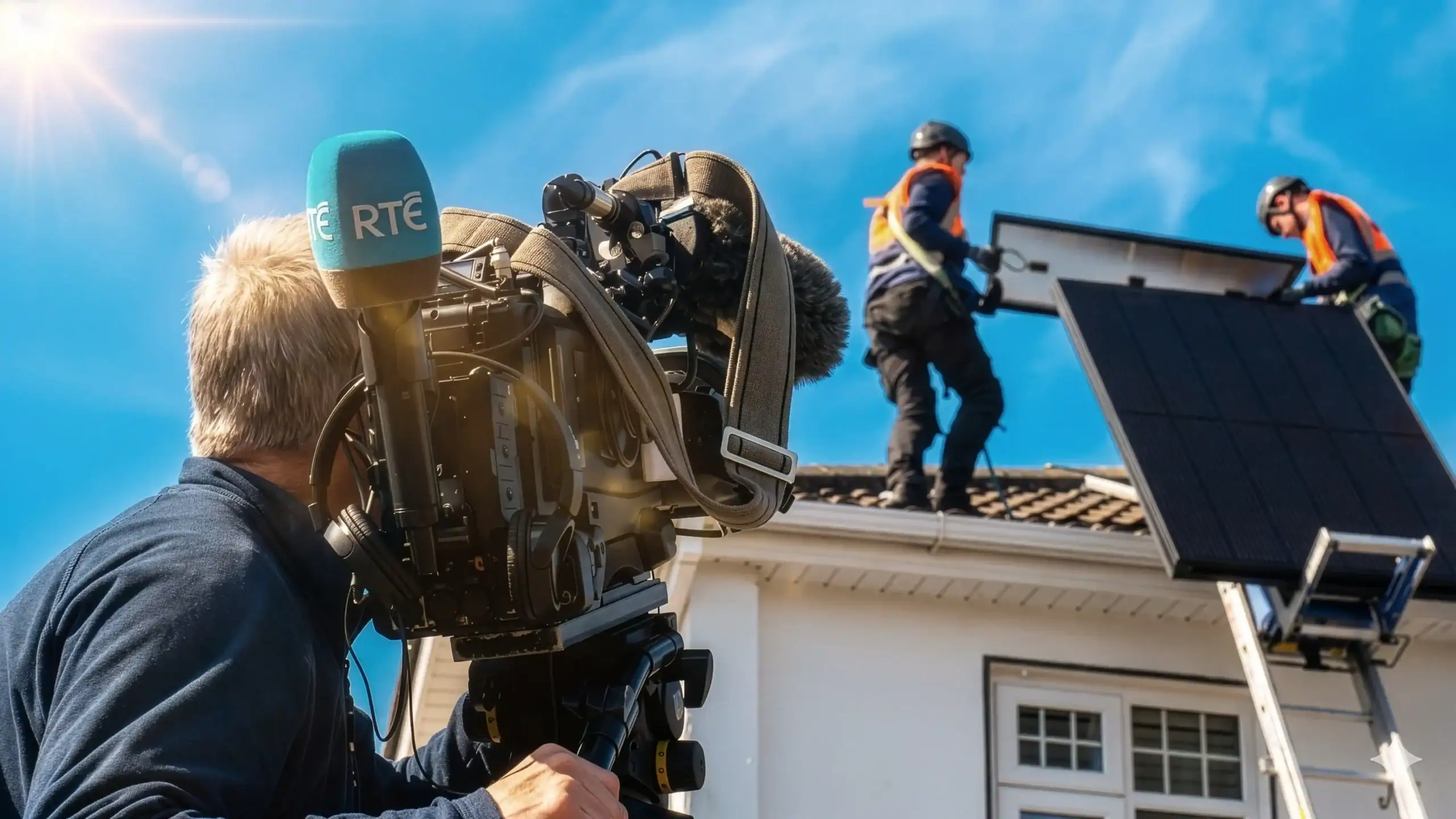
Recent coverage from RTÉ highlighted a renewed surge in demand for rooftop solar across Ireland, with installers reporting a clear increase in enquiries following instability in global energy markets.
That’s backed up by the numbers as well. Applications for solar grants have jumped significantly this year, with nearly double the number of applications submitted in March compared to the same time last year.
It’s a pattern that feels familiar. We saw something similar during the energy crisis a few years following Russia’s invasion of Ukraine. Prices rose sharply, and interest in solar followed soon after.
But this time around, the reaction feels quicker.
Why People Are Moving Faster This Time
One of the biggest differences now is awareness.
A few years ago, solar was still something many people were only vaguely familiar with. It felt like a big decision, and one that could be put off.
Now, most homeowners have at least looked into it at some point.
They understand the basics. They’ve seen neighbours install panels. And they’re more aware of the supports available – including SEAI grants, which can take a chunk off the upfront cost of installing solar.
So when uncertainty returns, the delay between “thinking about it” and actually acting is much shorter.
It’s Not Just About Today’s Prices
Interestingly, it’s not always the current bill that drives the decision.
In many cases, it’s the fear of what the next one might look like.
Energy prices don’t move in a straight line. They react to global events, supply issues and shifts in demand – often quickly and unpredictably.
That makes it difficult to plan. And for a lot of households, that unpredictability is becoming harder to ignore.
A Shift from Cost to Control
What’s starting to come through more clearly is a shift in mindset.
For a long time, the focus was on saving money – reducing usage, switching suppliers, trying to get a better rate.
Now, more people are looking at it slightly differently.
It’s less about chasing the lowest price, and more about having some level of control over where your energy comes from.
Because if a large part of your bill is influenced by things happening outside Ireland, there’s only so much you can do from inside your home.
Why Solar Is Part of That Conversation
Solar panels don’t remove your electricity bill entirely.
But they do change how much of your energy you need to buy from the grid.
That means a portion of your electricity is generated at home, rather than being fully exposed to whatever is happening in global energy markets at the time.
For many homeowners, that’s becoming just as important as the potential savings.
The “Wait and See” Approach Is Changing
In the past, it was common for Irish homeowners to take a “wait and see” approach.
Prices might come down. Grants might increase. Technology might improve. It could be worth holding off another year.
What’s changed is that people have now seen how quickly things can move in the opposite direction.
And that’s led to a shift from waiting… to acting a bit earlier. Not out of panic, but out of experience.
It’s Not a One-Size-Fits-All Decision
At the same time, it’s worth saying that solar isn’t something people are rushing into blindly.
Most homeowners still want to understand what it will cost, what it might save, and whether it actually suits their home. That hasn’t changed.
What has changed is how quickly people move once they’ve answered those questions.
Why This Matters Going Forward
If recent trends are anything to go by, demand for solar in Ireland is likely to remain closely tied to what’s happening in global energy markets.
Periods of stability may slow things down slightly.
But uncertainty – particularly around fuel prices – tends to bring decisions forward.
And with awareness now much higher than it was a few years ago, those spikes in demand are happening faster.
Common Questions About Solar Demand in Ireland
Why is demand for solar panels increasing in Ireland?
Rising energy costs and uncertainty around future prices are driving more homeowners to look for ways to reduce reliance on the grid.
Are people rushing into solar installations?
Not necessarily. Most homeowners still do their research, but they’re making decisions more quickly than before.
Is solar mainly about saving money?
Savings are part of it, but increasingly it’s about predictability and having more control over energy costs.
Will demand continue to grow?
Demand is likely to rise during periods of uncertainty, particularly when energy prices are volatile.
Thinking About Your Own Energy Costs?
For many homeowners, the shift isn’t just about reacting to rising prices – it’s about getting ahead of them.
That might mean improving efficiency, looking at heating upgrades, or generating some of your own electricity at home.
Activ8 Solar Energies has delivered over 25,000 energy upgrades across Ireland, working with homeowners to design solar systems around real usage patterns, Irish homes, and available SEAI supports – helping reduce reliance on the grid and bring more stability to long-term energy costs.