
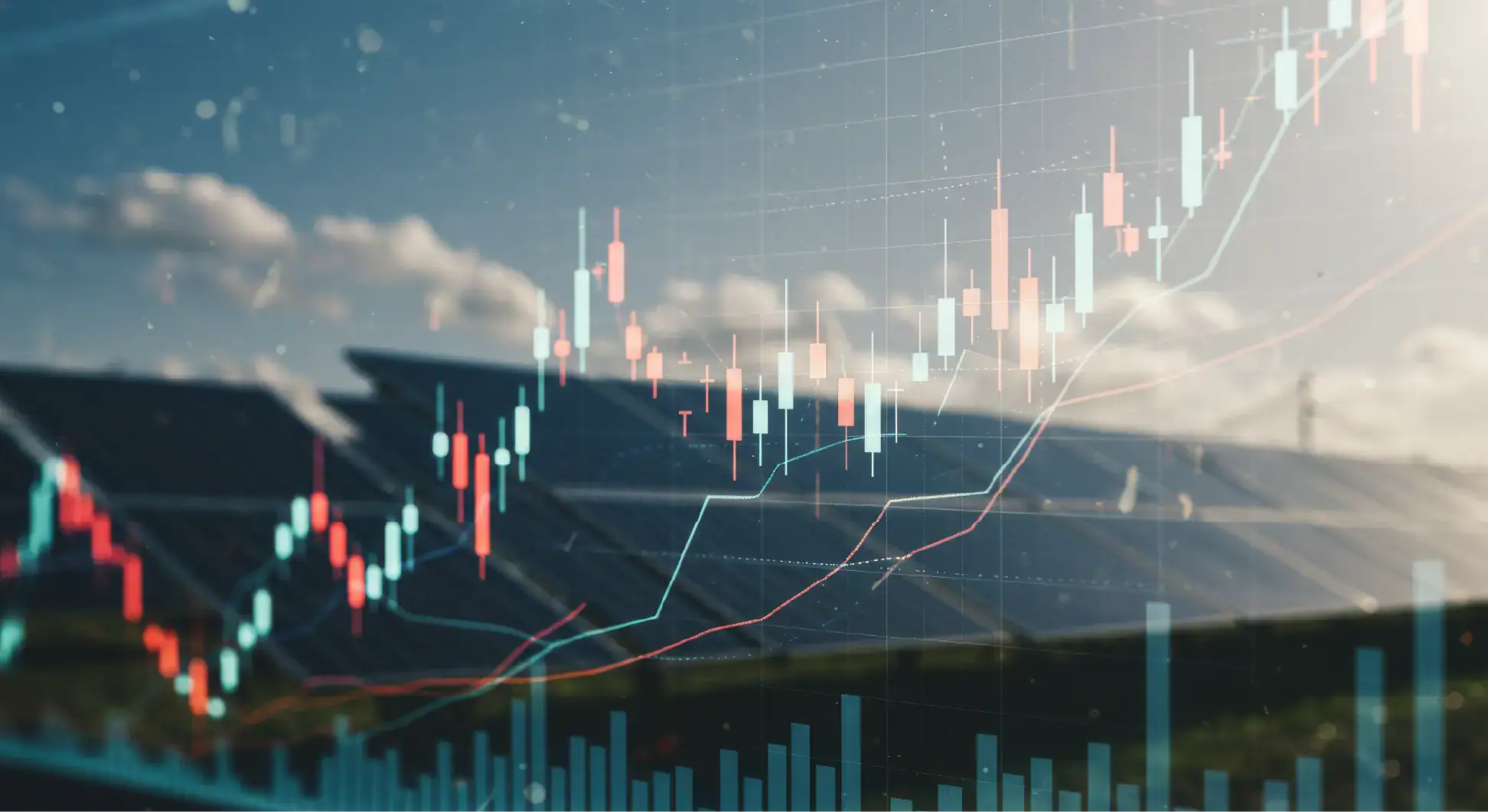
Energy prices rarely stay still for long. In recent weeks, renewed tensions in the Middle East have once again raised questions about global energy markets and whether they could influence electricity prices across Europe.
While events like these don’t always lead to immediate changes in household bills, they highlight an important reality – electricity prices in Ireland are connected to international energy markets. When global fuel prices shift or supply concerns emerge, the effects can eventually ripple through the electricity system.
Understanding how energy price volatility works can help explain why bills change – and what homeowners can do to manage energy costs over time.
What Energy Price Volatility Actually Means
Energy price volatility simply refers to how much energy prices move up or down over time.
Some level of fluctuation is normal. Electricity prices respond to changing conditions like fuel costs, weather patterns, demand levels and generation capacity.
When markets are stable, those changes tend to be gradual. During periods of global uncertainty or supply disruption, prices can move more quickly.
Because electricity systems are interconnected across Europe, events far beyond Ireland’s borders can sometimes influence wholesale electricity prices here.
Why Global Energy Markets Affect Electricity Prices in Ireland
Ireland generates electricity from a mix of sources including wind, natural gas and imports from neighbouring markets.
While renewable energy plays a growing role, natural gas remains an important part of electricity generation. In many hours of the day, gas-fired plants help meet demand and set the wholesale price of electricity.
This means movements in global gas markets can have a direct impact on electricity costs across Europe, including in Ireland.
When gas prices rise due to supply concerns or market uncertainty, wholesale electricity prices can follow.
Why Prices Can Change Even When Supply Hasn’t
One aspect of energy markets that can surprise people is that prices sometimes move even when there hasn’t been a physical shortage of energy.
In recent days, there has been plenty of conversation among Irish motorists about petrol and diesel prices rising at the pumps, even though the fuel in storage may have arrived before the latest geopolitical tensions. It can leave people wondering why prices increase when the fuel itself was already there.
In reality, energy markets often respond to expectations about future supply rather than current inventories.
If traders believe supply could become constrained in the near future, prices can increase in anticipation of that risk. These movements are sometimes described as risk premiums in energy markets.
While these shifts happen at the wholesale level, they can eventually influence the tariffs offered to households. It’s one reason why many homeowners are starting to look more closely at ways to reduce how much of their energy consumption depends on global fuel markets.
What This Means for Irish Households
For homeowners, energy price volatility mainly shows up through changing electricity tariffs.
Suppliers adjust their pricing based on wholesale market costs, infrastructure charges and regulatory factors. When wholesale prices rise for sustained periods, retail electricity prices can increase.
When markets stabilise, prices may also fall again. The key point is that electricity costs are partly influenced by factors outside any individual household’s control.
How Homeowners Can Reduce Exposure to Price Fluctuations
Although households cannot control global energy markets, there are ways to reduce the impact of price fluctuations over time.
These typically include improving insulation to reduce overall energy demand, choosing energy-efficient appliances, using electricity during off-peak tariff periods where available and generating some electricity at home through technologies such as solar panels. Each of these approaches helps reduce how much electricity needs to be purchased from the grid.
Why Generating Electricity at Home Is Becoming More Common
Solar power has become increasingly common across Ireland in recent years. Advances in panel efficiency, government grants and export payments have made systems more accessible for many households.
Solar panels generate electricity from daylight, allowing homes to use some of the power produced on their own roof during the day.
This doesn’t remove the need for grid electricity entirely, but it can reduce how much electricity needs to be purchased over the course of a year.
For some homeowners, producing part of their own electricity offers a degree of insulation from long-term energy price swings.
Looking at Energy Costs Over the Long Term
For homeowners exploring ways to manage long-term energy costs, understanding how your home uses electricity is the first step.
Activ8 Solar Energies has delivered more than 25,000 energy upgrades across Ireland, helping households assess their energy use, available supports and the potential for technologies such as solar. With the right system design, many homes can reduce their reliance on grid electricity while improving long-term energy stability.