
You’ve probably heard the line a dozen times over the past few years: the cheapest energy is the energy you don’t use. It’s been the big message from EU policy and energy campaigns, especially since prices shot up.
And on paper, it makes sense. Use less, save money. Simple.
But for a lot of households in Ireland, it doesn’t quite line up with reality anymore. People have already cut back. They’ve switched things off, upgraded appliances, tried to be more mindful about usage – and still, the bills have kept rising.
At a certain point, it stops feeling like something you can fix just by using less.
And that’s where the conversation starts to shift.
It’s No Longer Just About Using Less
For years, cutting energy costs was mostly about reducing usage. Lower consumption meant lower bills, and that was straightforward.
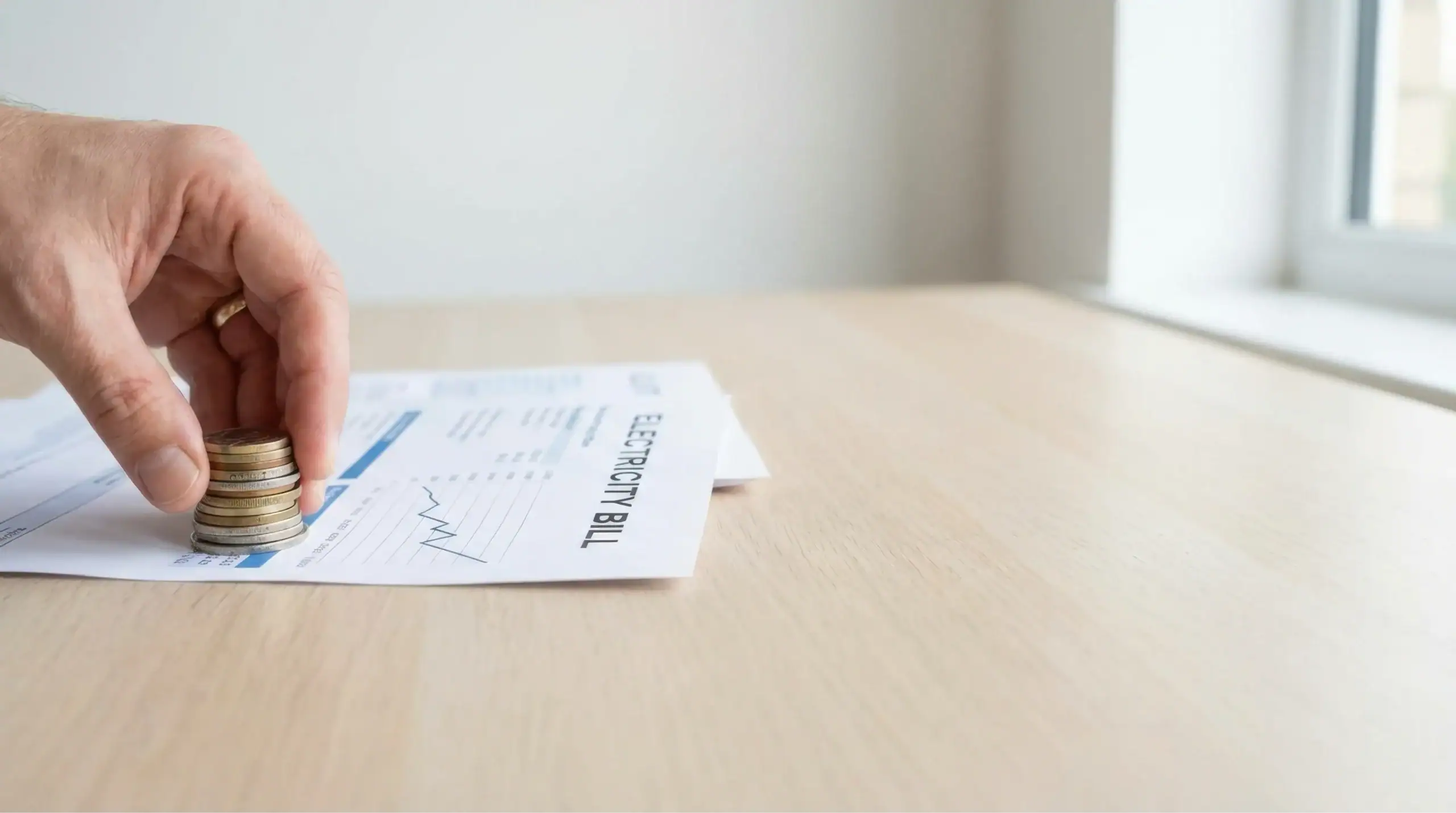
But with the way things have moved in recent years, that simple link has weakened. A bigger chunk of your electricity bill now comes from fixed costs that don’t change much no matter how careful you are. On top of that, prices are driven by global markets, gas volatility, and large-scale grid investments that individual households have no say over.
So even if your usage stays steady – or drops – the total bill doesn’t always follow. That realisation has been a real turning point for many people.
The Focus Has Shifted Towards Control
What’s changed isn’t just behaviour – it’s how people think about energy altogether.
Instead of asking “how can I use less?”, more homeowners are starting to ask a different question:
“How much of this can I actually control?”
Because once you look at it that way, the problem isn’t just usage – it’s reliance.
Reliance on a system where prices can change quickly, and where a large part of the cost is fixed regardless of what you do at home.
Small Changes Still Matter — But They Only Go So Far
Things like improving insulation, using more efficient appliances, and being mindful of when energy is used still make a difference.
They’re often the first steps people take, and they’re worth doing.
But for many households, there’s a point where those changes stop having the same impact.
You can only cut back so much before you’re already running things as efficiently as possible.
That’s usually when people start looking beyond just reducing usage.
Generating Your Own Energy Is Becoming Part of the Conversation
More and more, the idea of producing some of your own electricity at home is becoming part of how people think about managing costs.
Not as a complete replacement for the grid, but as a way of reducing how dependent you are on it.
Even generating a portion of your electricity can change the dynamic.
It means that not every unit of energy you use has to be bought at whatever the current market rate happens to be.
Why Solar Is Gaining Momentum
This is where solar energy comes into the picture for a lot of homeowners. It’s not just about sustainability – although that still matters. It’s about predictability.
Once installed, solar panels generate electricity from daylight, which means a portion of your energy use is no longer tied to fluctuating prices.
You’re still connected to the grid, and there are still fixed costs, but your overall exposure is reduced.
Over time, that can make a noticeable difference – not just in savings, but in how stable your energy costs feel.
A Different Way of Looking at Energy
What we’re seeing is a quiet shift in mindset. Energy is moving from something you simply pay for every two months to something you can take a more active role in managing.
It’s not about wiping out the bill entirely. For most homes that’s not realistic. It’s about lowering the uncertainty and reducing how much of your costs are at the mercy of factors completely outside your control.
For many households, that sense of stability is becoming the real goal.
Why This Matters Going Forward
Energy prices in Ireland are influenced by a mix of global markets, infrastructure investment, and long-term changes in how the system works.
Those factors aren’t going away any time soon, which is why more households are starting to think longer term.
Not just about the next bill, but about how their home is set up to handle whatever comes next.
Common Questions About Reducing Energy Costs in Ireland
What’s the best way to reduce energy bills in Ireland?
Reducing usage still helps, but many homeowners are now combining efficiency improvements with ways to reduce reliance on the grid, such as solar energy.
Are energy prices in Ireland likely to stay high?
Prices may fluctuate, but many of the underlying factors mean costs are likely to remain relatively high compared to the past.
Is solar energy worth it in Ireland?
For many households, solar can help reduce electricity costs over time and make those costs more predictable.
Can you completely eliminate your electricity bill?
In most cases, no – but you can reduce it significantly by generating some of your own electricity.
Thinking About Taking Control of Your Energy Costs?
For plenty of Irish homeowners, the approach has moved on from simply reacting to rising prices. It’s now about getting ahead of them where possible – starting with efficiency tweaks but often leading to bigger decisions about generating power at home.
Activ8 Solar Energies has delivered over 25,000 energy upgrades across Ireland, working with homeowners to design solar systems around real usage patterns, Irish homes, and available SEAI supports – helping reduce dependence on the grid and bring more stability to long-term energy costs.
If you’re tired of feeling like your bills are largely out of your hands, it might be worth looking at what options actually make sense for your own home.