
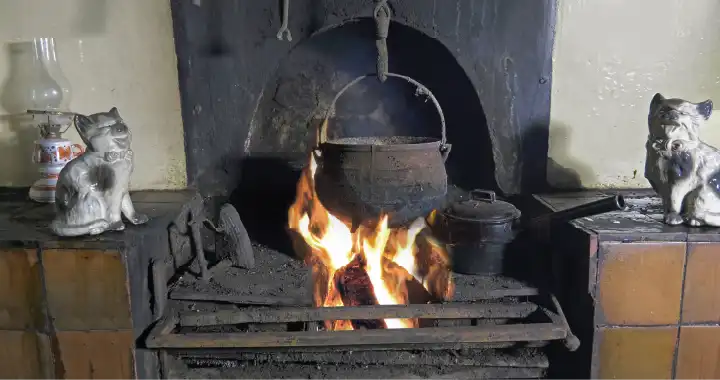
For years, many Irish homeowners have taken a “we’ll soldier on” approach to heating. A service here, a quick fix there and maybe, just maybe, one more winter out of the twenty-year-old boiler.
However, 2026 feels different.
Between rising energy costs, stronger Government grants and growing awareness around renewable heating, more households are looking at their heating systems not as something to patch – but something to properly rethink.
A heating upgrade isn’t just about replacing equipment. It’s about making the house feel consistently warm, reducing reliance on oil or gas, and putting a longer-term plan in place.
What Counts as a Heating Upgrade?
When people search for heating upgrades in Ireland, they often imagine a simple swap – old boiler out, new system in.
In reality, it’s usually broader than that.
A heating upgrade might involve moving from oil or gas to a heat pump. It might mean adjusting radiators so heat is distributed more evenly. In some homes, it includes insulation improvements so warmth doesn’t escape as quickly as it’s produced.
The goal isn’t just “more heat.” It’s warmth that stays where it should and feels steady throughout the day.
What Grants Are Available for Heating Upgrades in 2026?
Ireland currently offers significant Government support through SEAI, with recent increases changing the conversation significantly.
Heat Pump Grants
Heat pump grants have recently increased to up to €12,500, making renewable heating more accessible than ever.
For many households, that level of support has shifted heat pumps from “maybe someday” to “why not now?”
The grant structure supports not just the unit itself, but the wider system adjustments needed to make it work properly.
Insulation Grants
Heating and heat retention go hand in hand. SEAI insulation grants remain available for attic and wall upgrades, helping homes hold onto the warmth they generate. In many cases, improving insulation first transforms how effective any heating system feels.
Windows & Doors Grants
New windows and doors grants launching in March 2026 also form part of the wider heating picture.
They won’t generate heat – but they reduce heat loss, making any heating system more effective.
Oil Heating Grants: Are They Available?
One common question we hear is whether there are still grants to replace oil boilers directly.
In most cases, Government support now focuses on renewable heating systems, particularly heat pumps. That reflects the broader national strategy – moving homes away from fossil fuels and toward long-term energy efficiency.
For homeowners currently using oil, that often means looking at heat pumps as the supported upgrade path.
Do You Upgrade Everything at Once?
Not necessarily. Some homeowners take a phased approach, while others choose a more coordinated plan.
At Activ8 Energies, through our SEAI-approved One Stop Shop, heating upgrades are planned as part of the bigger picture. That means insulation, heating systems and grant applications are aligned from the outset, reducing repeat disruption and missed supports.
It’s a steadier way of approaching what can otherwise feel like a big decision.
Why More Irish Homeowners Are Acting Now
There’s been a noticeable shift this year. With heat pump grants at their highest level ever, broader Government backing for energy upgrades, and greater clarity around long-term energy costs, many households who were once hesitant are now actively planning. The conversation has moved from whether it’s worth it to how it can be done properly.
How Activ8 Energies Supports Heating Upgrades
Activ8 Energies has over 20 years’ experience delivering energy upgrades across Ireland, with more than 25,000 installations completed nationwide.
As a One Stop Shop provider, we:
- Assess the home as a whole
- Design heating systems suited to Irish conditions
- Coordinate upgrades logically
- Manage SEAI grant applications
- Support homeowners from planning to completion
Rather than focusing on equipment alone, we focus on how the house performs once everything is working together.
Thinking About a Heating Upgrade in 2026?
If you’re researching heating upgrades in Ireland, you’re likely already at a crossroads – whether that’s an ageing oil boiler, uneven warmth in the house, or simply the feeling that it’s time to plan properly.
With stronger grants in place for 2026 and clear Government support behind renewable heating, there’s a genuine opportunity to upgrade with structure rather than urgency.
Activ8 Energies can help you understand what grants apply, what options suit your home, and how to move forward without confusion or pressure.
Upgrading your heating shouldn’t feel like another short-term fix. Done properly, it’s simply a step toward a warmer, more efficient home.