

For a long time, solar panels were seen as a big, one-off expense by Irish homeowners.
Something you’d look at when your Credit Union savings balance looked healthy, or when you were already planning a wider home upgrade.
Even people who liked the idea of solar often parked it for later – not because they didn’t see the value, but because of how it had to be paid for.
But that part of the conversation is starting to change.
Why Solar Has Traditionally Been an Upfront Cost
Solar has always been a different type of purchase compared to your usual energy bills.
With oil or electricity, you pay as you go. The cost is spread out over time, even if the total adds up.
Solar flipped that model.
You invested upfront, and the return came gradually through lower electricity bills over the years.
That worked for some households, but for others, it created a barrier – even if the long-term savings made sense.
What’s Changing in How Solar Is Paid For
More recently, the way people pay for solar has started to shift.
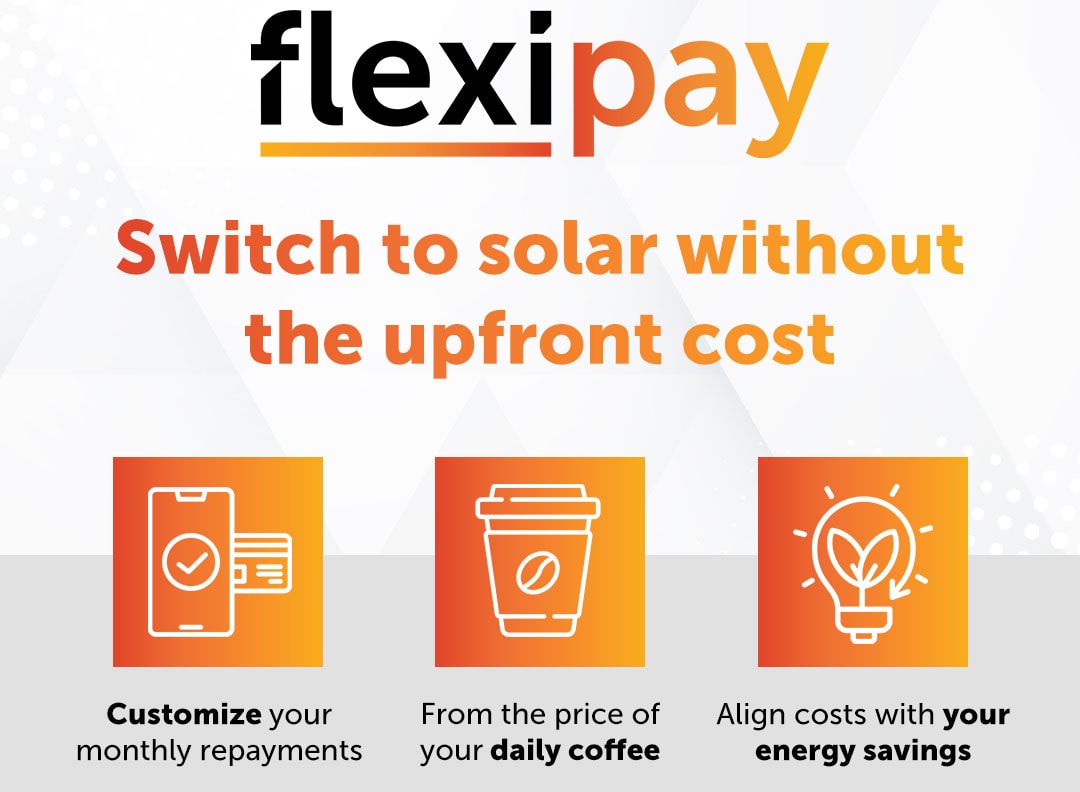
Instead of needing to cover the full cost upfront, there are now options that allow the cost to be spread over time.
That brings solar closer to the way people already pay for energy – not as a single large outlay, but as something that can be managed more gradually.
In practical terms, that can mean monthly payments rather than one upfront investment, depending on the option chosen.
We’re seeing this reflected in the market as well. Solutions like Activ8’s Flexipay, introduced in partnership with humm, are designed to give homeowners more flexibility in how they fund a system.
It doesn’t remove the cost, but it changes how that cost is felt – and for many households, that’s a meaningful shift.
What That Means in Practical Terms
For many homeowners, the decision isn’t just about total cost – it’s about cash flow.
A large upfront payment can be a blocker, even if the long-term outcome makes sense. Spreading the cost changes that.
Instead of needing a lump sum, the decision becomes easier to weigh against what you’re already paying for electricity when your bill lands every two months.
Why This Is Changing Behaviour
This shift in how solar is paid for is starting to change how people approach the decision.
Previously, it was something you planned for, saved towards and often delayed.
Now, it’s being considered much earlier in the process.
Instead of asking “can I afford to pay for this upfront?”, more homeowners are asking: “How does this fit into what I’m already spending on energy?”
That’s a very different way of thinking about it.
Why This Matters Now
Energy costs haven’t stood still over the past few years.
Prices have moved – sometimes quickly – and that’s made long-term planning more difficult.
At the same time, awareness of solar has grown, and more households understand how it works and what it can do.
The result is that the conversation is shifting.
It’s no longer just about whether solar is “worth it” – it’s about how it’s paid for, and how flexible that can now be.
Common Questions About Paying for Solar Panels
Do you have to pay for solar panels upfront in Ireland?
Not always. While solar has traditionally required an upfront payment, there are now options that allow the cost to be spread over time.
Is financing solar panels a good idea?
It depends on your situation. For some homeowners, spreading the cost makes solar more accessible, while others may prefer to pay upfront.
Is solar still worth it if you don’t pay upfront?
For many households, yes – but it depends on how the system is set up and how the costs compare to your current energy spend.
Thinking About Solar – and How to Pay for It?
If you want a clear, honest picture of what solar would actually look like for your home – including the grant, realistic monthly payments, and potential savings based on your own usage – it’s worth getting proper advice.
Activ8 Solar Energies has been installing solar systems across Ireland for over 20 years and has helped more than 25,000 homes make the switch. We design every system around how your household actually uses electricity and explain all the options (including SEAI supports) without the hard sell.
Feel free to reach out if you’d like straightforward answers tailored to your house.